
Teenagers, Fashion and Disabilities

Fashion plays in adolescent identity, yet young people with special educational needs and disabilities are too often offeredclothing that prioritises practicality over self-expression. This document sets out the rationale for an adaptive cargo trouser design that is functional, age-appropriate, and responsive to real user needs.
My interest in this area grew from a long-standing passion for DIY, up-cycling and finding practical solutions to everyday problems. In 2023, I supported a charity fashion event for children with special educational needs and disabilities, attending workshops where parents, carers, teachers, students, and tailors helped design and make garments for the fashion show.
Those workshops were an invaluable source of insight. Although I have previous experience as a nurse working with children with special needs, practice and communication methods have changed significantly since then. What stood out most was that the young people I met had clear opinions about what they liked and disliked, yet many were dressed in similar grey marl joggers. This raised an important question: why does mainstream fashion still offer so little choice for adolescents and young people with special educational needs and disabilities?
Clothing is more than a practical necessity; it is a form of non-verbal communication and a visible expression of identity. Research in fashion psychology, including work by psychologist Michelle Pal, highlights the connection between clothing choices and a person’s sense of self, particularly during adolescence, when identity, belonging and independence become increasingly important.
For adolescents with sensory needs, however, inclusive fashion must go beyond appearance. Textures, seams, fastenings, materials, and colours can all affect comfort and may contribute to sensory overload. As a result, successful adaptive clothing must combine dignity, personal style, and practical comfort rather than treating these priorities as separate design challenges.
Colour is also an important consideration because it can influence mood, confidence, and self-perception. While responses to colour vary between individuals, giving young people a choice of colours and styles supports autonomy and helps them take part in fashion in the same way as their peers.
I believe strongly that fashion should be accessible to everyone. During adolescence, the desire to fit in or stand out is closely linked to clothing choices, and young people with special educational needs and disabilities should have the same opportunity to explore personal style, express individuality, and feel confident in what they wear. Denim jeans are the most popular trousers on the planet, with roughly 1.2 billion pairs sold globally each year! So why shouldn’t teenagers with special educational needs and disabilities want to wear them too?
Because the design needed to respond to both functional and emotional needs, user input was essential from the outset. The cargo trouser concept
because it is familiar, age-appropriate, and durable, while also allowing adaptive features to be incorporated discreetly.
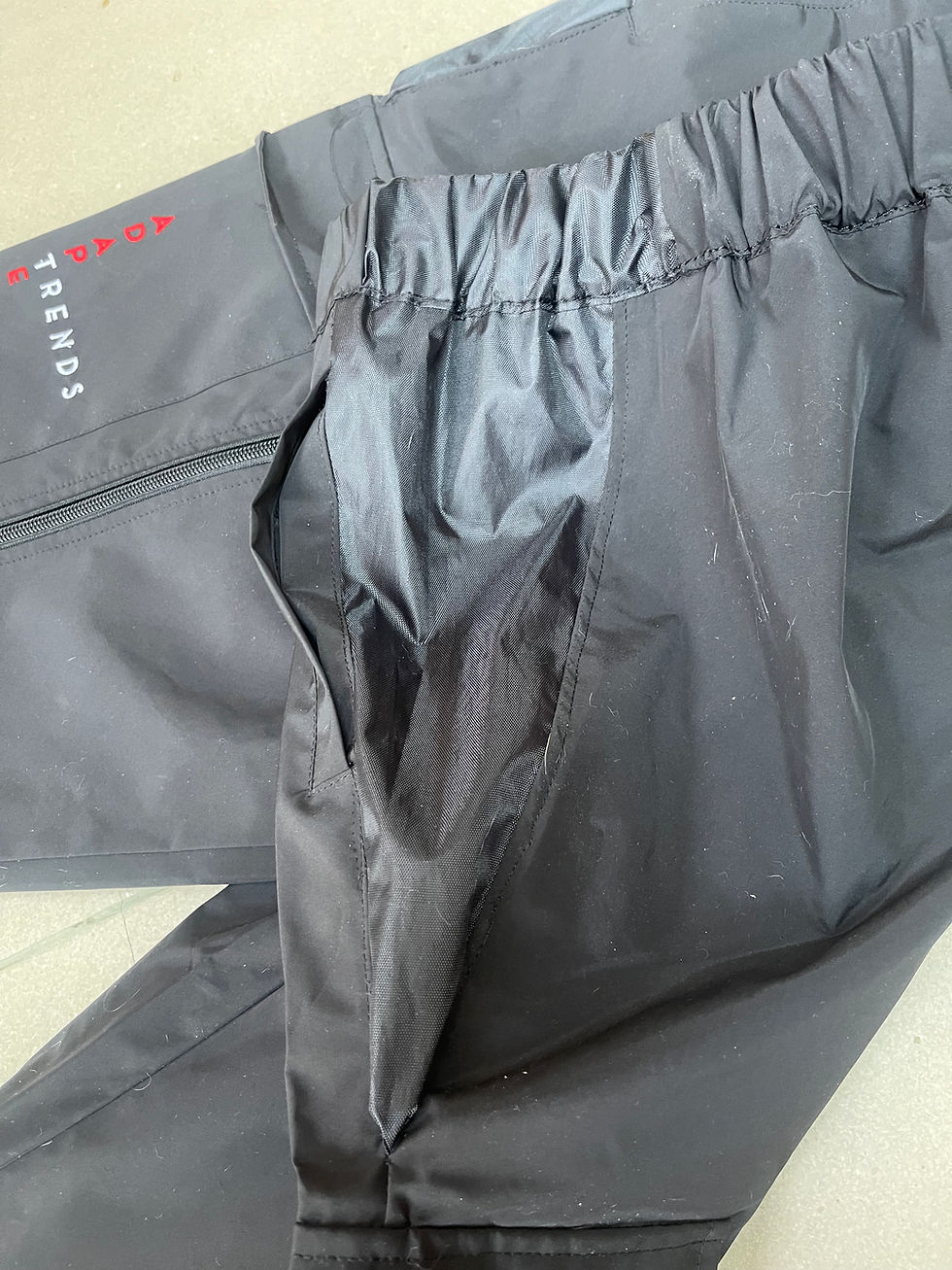
Key design features include:
Open-ended zips running down the centre of each leg to support easier dressing while sitting, lying, or standing.
A higher back waist to provide secure coverage of incontinence aids and the lower back when seated.
Adjustable drawstring ankle cuffs to shorten the trousers if needed and accommodate boots, splints, or other supports.
Deep side pockets positioned for easier access when seated.
Internal zipper guards to help prevent rubbing and improve comfort against the legs.
The original cargo trouser design was shaped by input from parents, teachers, carers, and young people with special educational needs. The process remains iterative, and continued feedback will be essential to refine the design, improve fit and ensure the final product meets the practical, sensory, and emotional needs of its intended users.


Comments